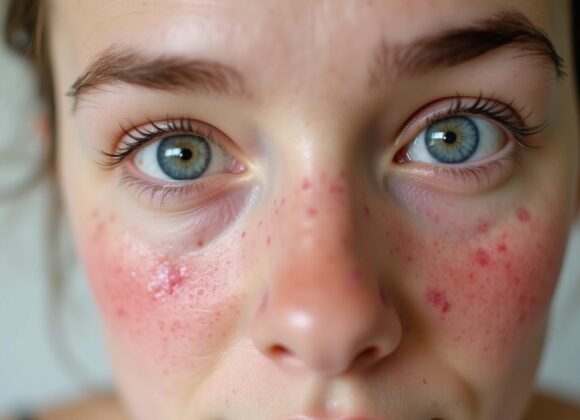

Dealing with eczema is a journey of constant vigilance, but when your flare-ups seem to follow the rhythm of your hormonal cycle, it can feel especially frustrating and unpredictable. If you’ve noticed that tell-tale itch, redness, and inflammation worsening around your period, during pregnancy, or in perimenopause, you are not alone. This is hormonal eczema, and understanding its unique triggers is the first step toward finding lasting relief. We’re here to guide you through actionable, evidence-based natural solutions to help you calm your skin and reclaim control.
Understanding Eczema and Hormonal Triggers
What is Eczema (Atopic Dermatitis)?
At its core, atopic dermatitis, or eczema, is a condition characterized by a compromised skin barrier. Think of your skin barrier as a brick wall that keeps moisture in and irritants out. In people with eczema, this wall has gaps, allowing moisture to escape easily (leading to dryness) and allergens or irritants to get in (leading to inflammation and itching). This triggers the maddening itch-scratch cycle, which further damages the barrier and worsens the flare-up.
How Do Hormones Influence Eczema Flare-Ups?
Hormones, particularly estrogen, play a significant role in skin health. Estrogen helps maintain skin barrier function, thickness, and hydration. However, when estrogen levels fluctuate, so can your skin’s resilience. A drop in estrogen, which occurs right before your period or during menopause, can weaken the skin barrier, making it more susceptible to eczema flares. Conversely, high estrogen levels can sometimes shift the immune response, also potentially triggering inflammation. This is why you may see flare-ups during key life stages like puberty, pregnancy, the monthly menstrual cycle, and menopause.
Top 10 Topical Natural Remedies for Immediate Relief
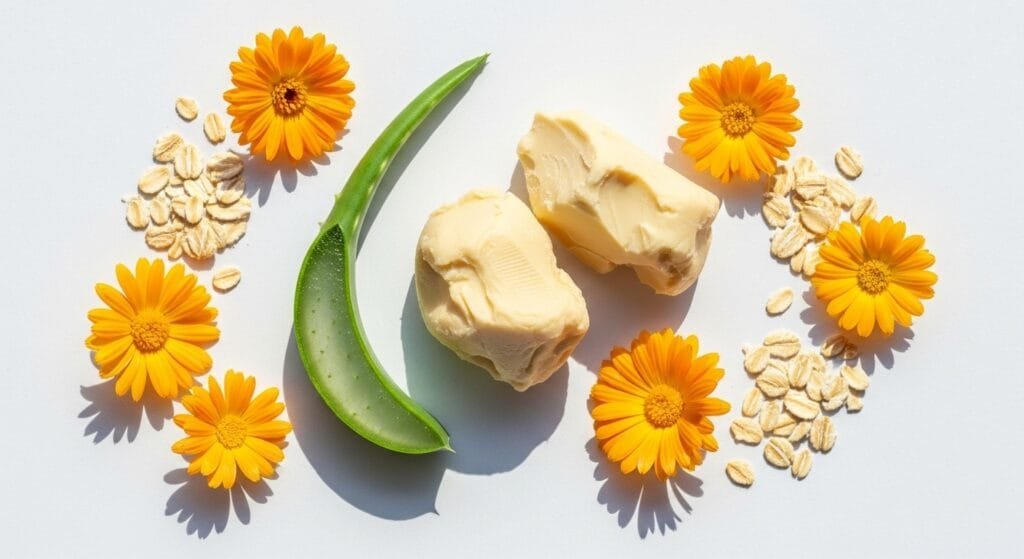
When your skin is screaming for help, these topical remedies can provide direct, soothing relief to calm inflammation and reduce that intense itch.
1. Colloidal Oatmeal Baths and Pastes
Colloidal oatmeal isn’t your breakfast cereal; it’s finely ground oats that suspend in water, creating a milky, skin-softening soak. It’s a classic remedy for a reason. As Dr. Anya Sharma, a board-certified dermatologist, explains, ‘Colloidal oatmeal contains avenanthramides, compounds that have potent anti-inflammatory and anti-itch properties, making it a cornerstone of natural eczema care.’ To use, simply add one cup of colloidal oatmeal to a lukewarm bath and soak for 15-20 minutes. For targeted relief, you can also mix it with a little water to form a paste and apply it directly to flare-ups.
2. Virgin Coconut Oil for Inflammation and Barrier Repair
Virgin coconut oil is a superior moisturizer that also packs a powerful punch against bacteria. It’s rich in lauric acid, a fatty acid that has been shown to have antimicrobial effects, helping to reduce the risk of infection in cracked, eczematous skin. Its thick, emollient nature also helps to seal in moisture and repair the skin’s natural barrier. Apply a thin layer to damp skin after bathing. It’s particularly beneficial for those with very dry, thickened skin, but a patch test is always wise as it can be comedogenic for some.
3. Sunflower Seed Oil to Improve Skin Barrier
If coconut oil doesn’t work for you, sunflower seed oil is a fantastic alternative. Studies have shown that it effectively improves skin barrier function and hydration without causing irritation. It’s rich in linoleic acid, which is a key component of the skin’s natural lipids. Its anti-inflammatory properties help soothe redness and swelling, making it a gentle yet powerful natural moisturizer for sensitive skin.
4. Aloe Vera Gel for Soothing Itch and Irritation
The cooling gel from the aloe vera plant is renowned for its ability to soothe burns, but it’s also wonderful for calming the heat and itch of an eczema flare. It has anti-inflammatory, antimicrobial, and wound-healing properties. For the best results, use 100% pure aloe vera gel, avoiding products with added alcohol or fragrances. Always perform a patch test on your inner arm first, as a small number of people can have an allergic reaction to it.
5. Apple Cider Vinegar (Diluted) to Balance Skin pH
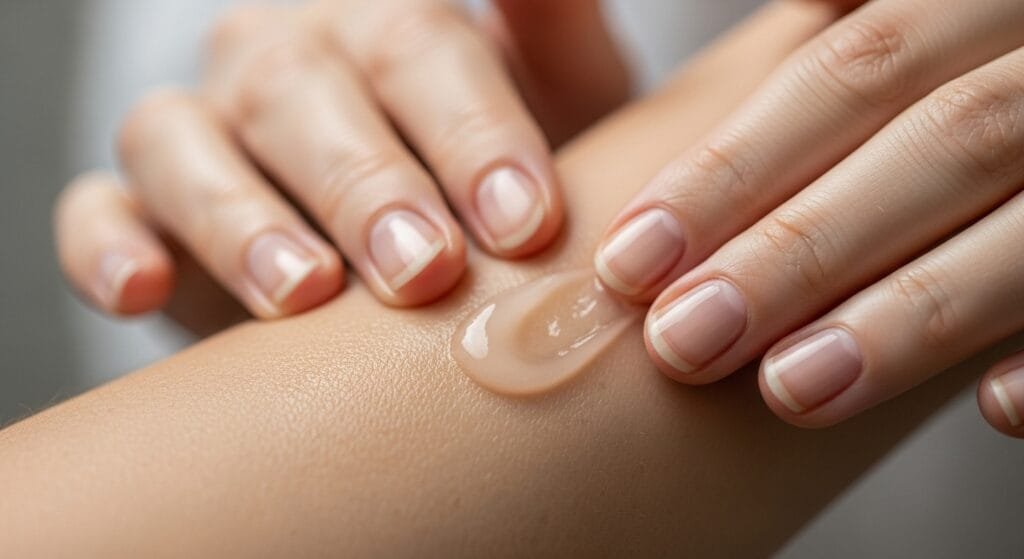
Healthy skin is naturally acidic, but the skin of people with eczema often has a higher pH, making it more alkaline. This can disrupt the skin barrier. A highly diluted apple cider vinegar (ACV) rinse or bath may help restore the skin’s natural acidity. It is critical to dilute it properly to avoid chemical burns. A safe ratio is 1-2 cups of ACV in a full bathtub of lukewarm water, or one tablespoon of ACV per one cup of warm water for a compress. Never apply undiluted ACV to the skin.
6. Honey for its Antibacterial Properties
Honey, especially medical-grade Manuka honey, has been used for centuries for its incredible wound-healing and antibacterial properties. It helps draw moisture to the skin while fighting off bacteria like Staphylococcus aureus, which commonly colonizes eczema patches and can lead to infection. You can apply a thin layer to a small, affected area, cover it with a bandage for a few hours or overnight, and then gently rinse it off.
7. Tea Tree Oil (Diluted) for Antiseptic Benefits
Tea tree oil is a potent antiseptic and anti-inflammatory agent. However, it is extremely strong and must always be diluted in a carrier oil (like coconut, jojoba, or sunflower oil) to prevent severe irritation. A safe dilution is 2-3 drops of tea tree oil per tablespoon of carrier oil. It can be helpful for preventing infection in skin that has been cracked from scratching. Always perform a patch test before applying it more widely.
8. Chamomile to Calm Inflammation
Chamomile is well-known for its calming effects when sipped as a tea, and it can do the same for your skin. It contains flavonoids and other compounds that have anti-inflammatory properties. To use it topically, brew a strong cup of chamomile tea, let it cool completely, and then use a soft cloth to apply it as a soothing compress to itchy areas. You can also add a few drops of chamomile essential oil to a bath.
9. Calendula for Skin Healing
Derived from the marigold flower, calendula has a long history of use for promoting the healing of cuts, scrapes, and irritated skin. It has anti-inflammatory and antiseptic properties that can help soothe eczema patches and encourage tissue repair. Look for calendula in the form of a cream, salve, or oil and apply it gently to affected areas a few times a day.
10. Cool Compresses for Instant Itch Relief
Never underestimate the power of this simple technique. When the itch becomes unbearable, a cool, wet compress can provide instant relief. It works by constricting blood vessels and numbing the nerve endings that transmit itch signals. Simply soak a clean, soft cloth in cool water, wring it out, and apply it to the itchy area for 15-20 minutes. This is a safe and effective way to break the itch-scratch cycle without any added ingredients.
5 Lifestyle and Dietary Approaches for Long-Term Management
While topical remedies are crucial for managing flare-ups, achieving lasting skin health often requires looking inward. True, long-term relief comes from addressing internal factors like diet, stress, and gut health.
11. Adopting an Anti-Inflammatory Diet
Systemic inflammation in your body can manifest on your skin. An anti-inflammatory diet focuses on whole, nutrient-dense foods that help calm this internal fire.
Foods to Include (Fatty Fish, Leafy Greens, Berries)
Focus on incorporating foods rich in omega-3 fatty acids, like salmon and walnuts, which are powerful anti-inflammatories. Load up on antioxidants from leafy greens like spinach and kale, and colorful fruits like blueberries and cherries. Turmeric, ginger, and green tea are also excellent additions.

Potential Trigger Foods to Avoid
Food triggers are highly individual, but common culprits for eczema sufferers include dairy, gluten, eggs, soy, and processed foods high in sugar and unhealthy fats. Consider keeping a food diary to see if you can identify a link between what you eat and when your skin flares.
12. Key Vitamin and Omega Supplementation
Supplements can provide a more concentrated dose of nutrients to support skin health from the inside out. It’s always best to consult with a healthcare professional, like a naturopathic doctor or dermatologist, before beginning a new supplement regimen.
Vitamin D, E, and B12
Vitamin D plays a crucial role in immune function and skin barrier health. Vitamin E is a potent antioxidant that protects skin cells from damage. Some studies suggest a link between Vitamin B12 deficiency and eczema, so a topical or oral supplement may be beneficial.
Evening Primrose Oil and Omega-3s
Evening primrose oil is rich in gamma-linolenic acid (GLA), a fatty acid that can help reduce inflammation and support hormonal balance. Omega-3 fatty acids, found in fish oil, are renowned for their powerful anti-inflammatory effects throughout the body, including the skin.
13. Stress Management Techniques (Yoga, Meditation, Deep Breathing)
There is a direct and powerful link between your brain and your skin. When you’re stressed, your body releases the hormone cortisol, which can drive inflammation and trigger an eczema flare-up. Incorporating daily stress-reduction practices can be a game-changer. This could be a 10-minute meditation using an app, a gentle yoga session, or simply taking five minutes to practice deep, slow breathing.

14. Choosing Gentle, Non-Irritating Soaps and Detergents
What you put on your body and clothes matters immensely. Harsh soaps, detergents, and cleansers containing sulfates (like sodium lauryl sulfate or SLS), artificial fragrances, and dyes can strip your skin of its natural oils and severely compromise the skin barrier. Switch to gentle, fragrance-free, hypoallergenic laundry detergents and personal care products specifically designed for sensitive skin.
15. The Importance of Moisturizing and Lukewarm Baths
Proper bathing and moisturizing are non-negotiable for eczema management. The ‘Soak and Seal’ method is the gold standard. Take a short (5-10 minute) bath or shower in lukewarm, not hot, water. Hot water can strip the skin of its protective oils. After bathing, gently pat your skin partially dry with a soft towel, and then, while it’s still damp, apply a thick, fragrance-free cream or ointment to your entire body. This locks in the water from the bath, providing deep, lasting hydration.
Natural Remedies to Use with Caution or Avoid
It’s a common misconception that ‘natural’ always means ‘safe,’ especially for compromised eczema skin. Some popular home remedies can do more harm than good. Be cautious with essential oils, which are highly concentrated and can be major irritants. Always dilute them and patch-test. Avoid applying acidic substances like straight lemon juice or alkaline ones like baking soda directly to your skin, as they can severely disrupt your skin’s pH and damage the barrier further.
When to See a Doctor
While natural remedies can be incredibly effective, there are times when professional medical help is necessary. You should see a doctor or dermatologist if you suspect a skin infection (signs include yellow or golden crusts, pus-filled bumps, or weeping skin), if the itching is so severe that it’s disrupting your sleep and daily life, or if your eczema is not improving or is worsening after several weeks of diligent home care.
Frequently Asked Questions (FAQ)
Can eczema be cured naturally?
There is currently no cure for eczema, but its symptoms can be managed so effectively with natural remedies, lifestyle adjustments, and medical treatments that you can achieve long periods of clear skin and remission. The goal is management, not a one-time cure.
Are these remedies safe for children?
While many of these remedies, like colloidal oatmeal and sunflower oil, are generally gentle, a child’s skin is far more delicate and reactive than an adult’s. It is absolutely essential to consult a pediatrician or pediatric dermatologist before trying any new remedy on a child to ensure it’s safe and appropriate for their age and condition.
How long does it take for natural remedies to work?
This varies greatly. Topical relief from something like a cool compress can be instantaneous. Moisturizers and oils can provide comfort within minutes to hours. However, internal approaches like dietary changes or supplements often take several weeks, or even a few months, to show a noticeable effect on the skin. Consistency is the most important factor for success.
This article is provided for general information and educational purposes only and does not constitute medical advice. The content is not intended to diagnose, treat, cure or prevent any condition. Always consult a qualified healthcare professional (such as a dermatologist or GP) before starting any new treatment or remedy, especially if you are pregnant, breastfeeding, taking medications or have a medical condition. Reliance on any information provided herein is solely at your own risk.